
The phrase “I didn’t come here to babysit kids” has quickly become one of the most talked-about quotes in European football, after being attributed to Xabi Alonso in a private conversation that soon leaked into the public domain. While the words themselves are blunt, the reaction they triggered reveals a much deeper issue unfolding behind the scenes: a growing tension between elite managerial standards and a generation of players still struggling to meet them.
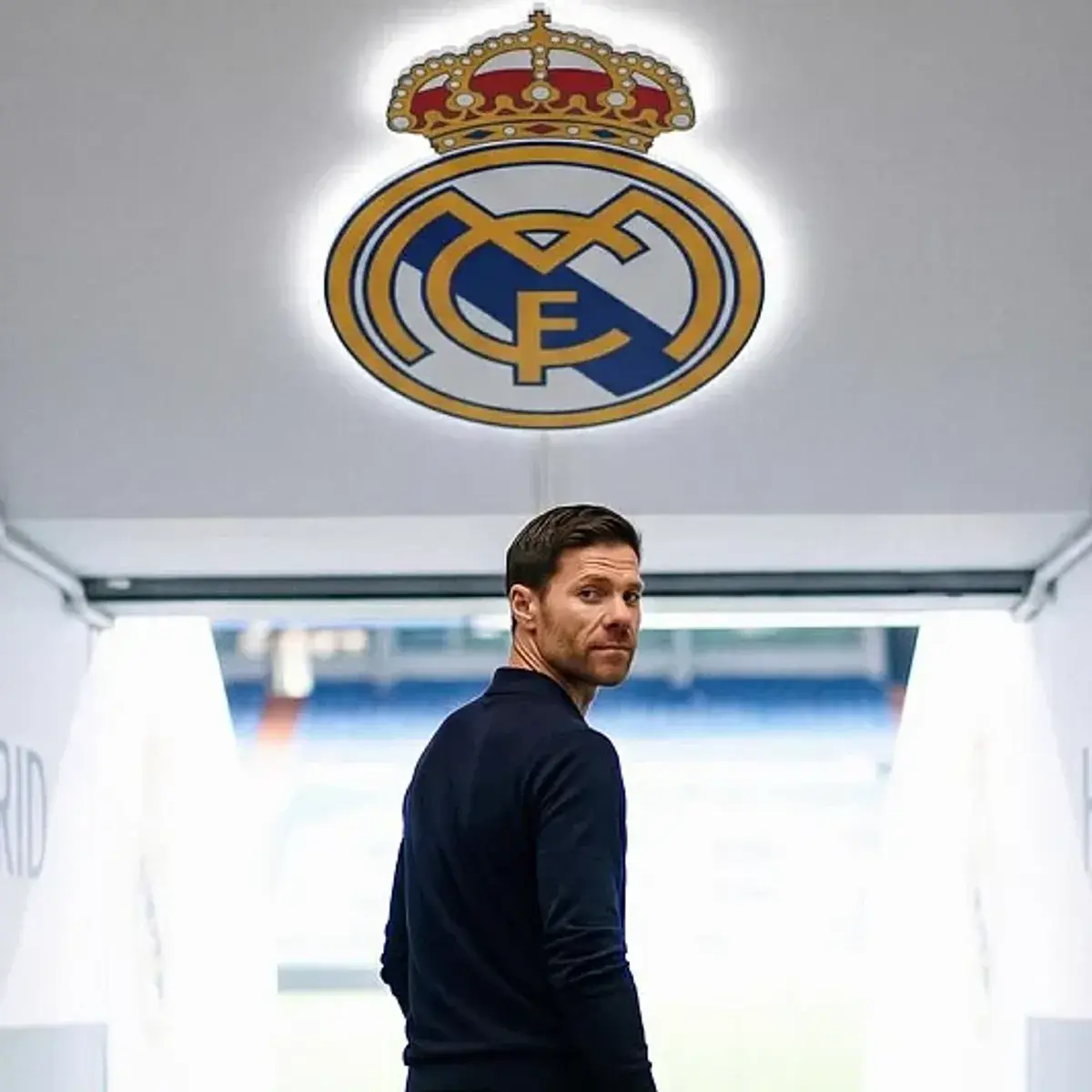
Xabi Alonso has built his reputation not only as one of the most intelligent midfielders of his era, but also as a coach who demands tactical discipline, emotional maturity, and absolute commitment. Since transitioning into management, he has been widely praised for his modern approach, attention to detail, and ability to elevate young talent. However, sources close to the dressing room suggest that Alonso’s patience has recently been tested, particularly with players who appear to rely more on potential than performance.
The quote, although never officially confirmed, is believed to have been directed at a group of underperforming players who have failed to translate training-ground promise into consistent matchday impact. According to insiders, Alonso was frustrated not by a lack of talent, but by what he perceived as a lack of professionalism, focus, and accountability. In modern football, where young players often receive massive contracts and global attention before proving themselves, this disconnect is becoming increasingly common.

From a broader perspective, Alonso’s alleged comment reflects a wider cultural clash within the sport. Clubs are investing heavily in youth development, promoting players earlier than ever, and marketing them as future superstars. While this strategy has produced exceptional talents, it has also created environments where some players struggle to cope with pressure, criticism, and tactical responsibility. For a coach like Alonso, who believes elite football is built on merit rather than age or reputation, this mindset is unacceptable.
The reaction from fans has been sharply divided. Some supporters applaud Alonso’s directness, arguing that football needs more managers willing to speak uncomfortable truths. They see his stance as a necessary correction in an era where excuses are often tolerated and standards diluted. Others, however, fear that such an approach could alienate young players, potentially damaging confidence and long-term development if not handled carefully.

What makes this situation particularly compelling is Alonso’s own background. As a player, he thrived under demanding managers and was known for his maturity from a young age. He understands the pressures of elite football better than most, which lends credibility to his frustration. Those who have worked with him describe him as calm and analytical rather than emotional, suggesting that this remark, if genuine, was not a momentary outburst but a calculated expression of concern.
Tactically, Alonso’s teams are built on structure, positional discipline, and collective intelligence. Players are expected to understand space, timing, and decision-making at a high level. When individuals fail to meet these demands, the entire system suffers. This is where the “babysitting” comment gains context: Alonso does not want to spend valuable time teaching basic professional habits when his focus is on refining complex tactical mechanisms.

The situation also raises questions about how clubs manage the transition from youth football to the senior level. Technical ability alone is no longer enough. Coaches like Alonso expect players to arrive mentally prepared, resilient, and capable of self-criticism. Those who cannot adapt quickly risk falling out of favor, regardless of age or potential. In this sense, the message is less about youth and more about readiness.
From an SEO standpoint, the story has all the elements that drive global engagement: a high-profile coach, a controversial quote, internal dressing-room tension, and broader implications for modern football culture. Searches related to Xabi Alonso’s management style, player discipline, and generational clashes in football have surged, reflecting widespread interest in how elite coaches navigate these challenges.
It is also worth noting that Alonso’s stance aligns with a growing trend among top managers. Across Europe, coaches are increasingly vocal about the need for professionalism and mental strength, especially as the game becomes faster, more tactical, and less forgiving. The margin for error has shrunk, and patience is often seen as a luxury clubs cannot afford.
Ultimately, whether Alonso actually uttered those exact words matters less than what they represent. The message is clear: elite football is not a training ground for entitlement, but a competitive arena where responsibility and performance define careers. For young players, this serves as a warning. Talent opens the door, but attitude determines how long it stays open.

As the season progresses, all eyes will be on how Alonso handles his squad and whether his tough stance produces results. If performances improve, the quote may be remembered as a turning point that reinforced standards and sharpened focus. If not, critics will question whether a more empathetic approach was needed. Either way, the debate sparked by these words has already left a lasting mark on the football landscape, highlighting once again that at the highest level, growing up fast is not optional—it is a requirement.