
A shocking controversy erupted moments before a major boxing event when heavyweight star Joshua reportedly exploded in anger inside the locker room. Witnesses claim the confrontation began after officials requested he wear a rainbow armband during the event.
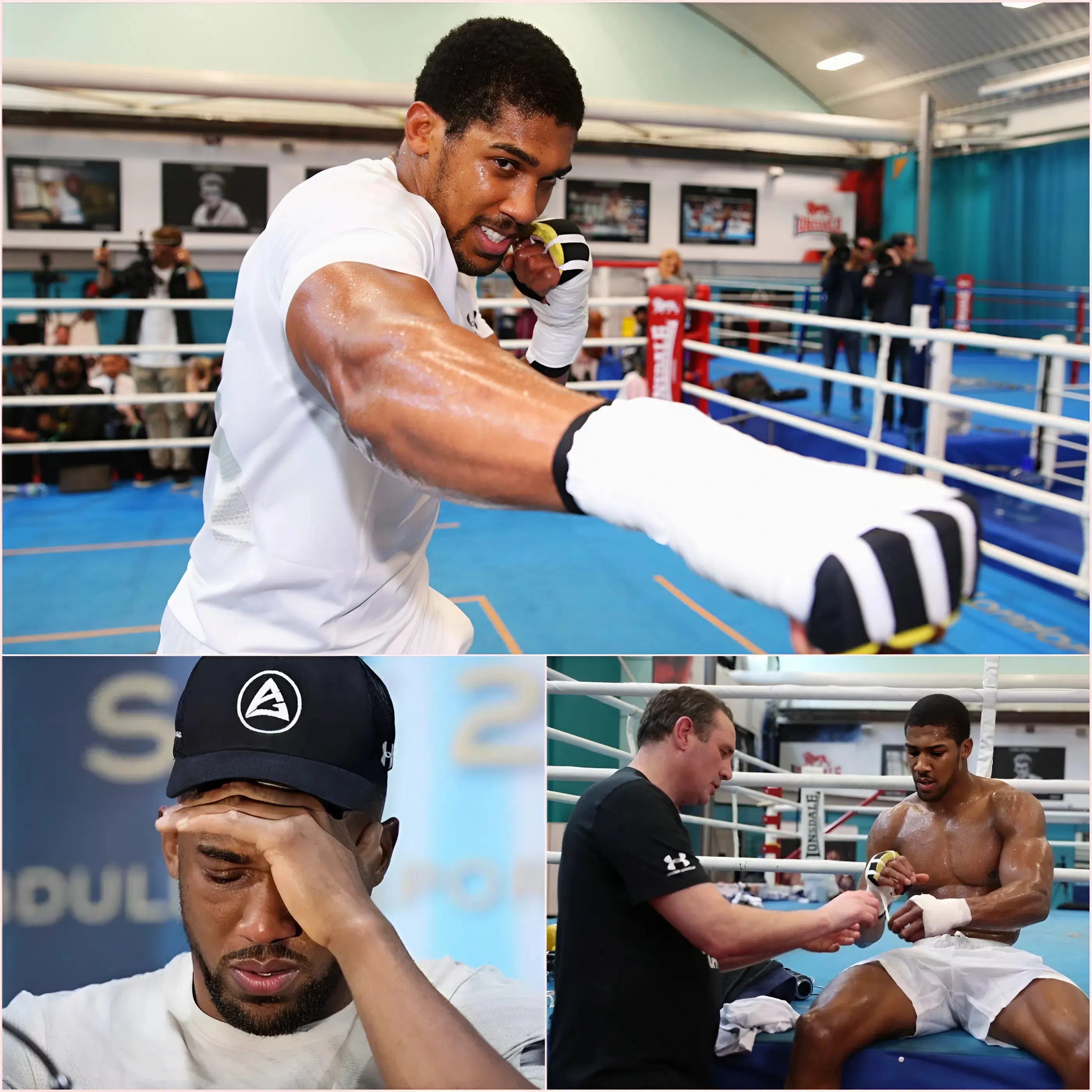
According to individuals present in the room, the mood quickly shifted from routine preparation to open confrontation. Joshua allegedly grabbed the armband from a table, stared at it for several seconds, then suddenly threw it across the locker room floor.
His voice reportedly echoed through the corridor as he shouted, “Don’t force me to be a puppet!” The unexpected outburst stunned trainers, staff members, and fellow fighters nearby who had gathered quietly before the night’s highly anticipated fight.
The armband request, according to organizers, was intended as a symbolic gesture promoting inclusion during a sports campaign supporting diversity awareness. Many athletes across several sports had worn similar items during events throughout the year without controversy.
However, witnesses say Joshua’s reaction suggested deep frustration rather than simple disagreement. He reportedly paced the room while expressing anger that sporting events were increasingly connected with political or social messaging unrelated to competition.
Some members of his training team attempted to calm him, urging him to focus on the fight ahead. Yet the tension remained visible. One insider described the atmosphere as “explosive,” saying even security personnel waited outside the door.
Within minutes, rumors about the argument spread quickly through backstage areas and eventually reached journalists waiting in the media center. Several reporters began contacting event organizers seeking clarification about what had happened inside the locker room.
Shortly afterward, representatives for the event confirmed that a disagreement had taken place but declined to reveal full details. They described the situation only as a “private discussion regarding event guidelines and athlete participation.”
Yet the story escalated dramatically when one of the event’s primary sponsors released an unexpected statement. The company announced it was withdrawing promotional support connected to Joshua’s appearance, citing concerns about brand values and inclusivity commitments.
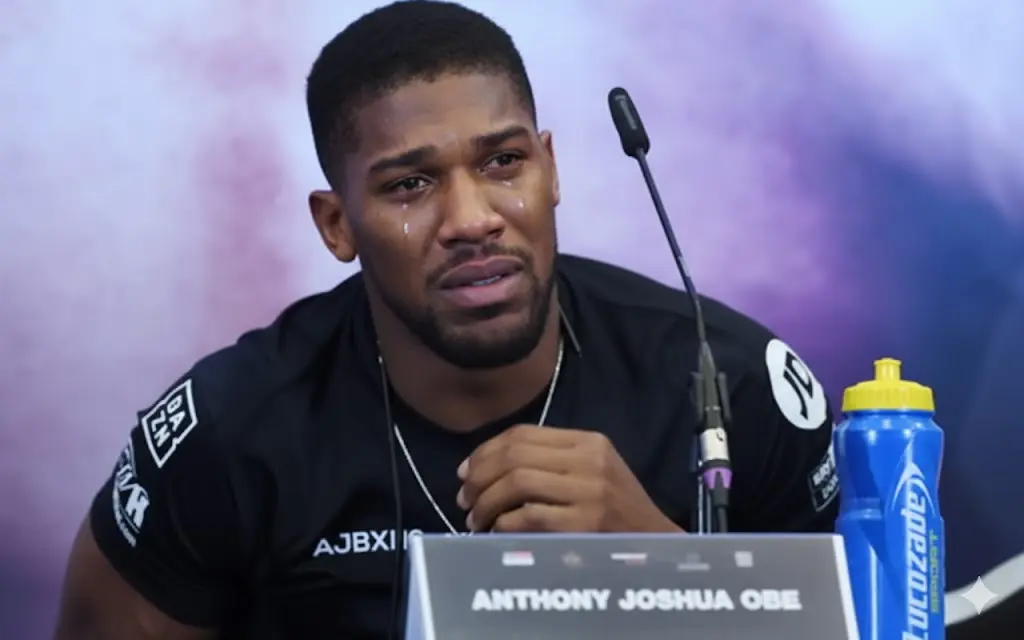
Industry insiders estimated the financial impact could reach several million dollars in lost promotional partnerships and campaign deals. The announcement triggered intense debate across social media, where supporters and critics immediately began arguing about the situation.
Supporters of Joshua praised his decision as an example of personal independence. They argued athletes should not be pressured to participate in symbolic campaigns if those gestures conflict with their personal beliefs or values.
Meanwhile critics accused the boxer of overreacting and failing to support messages promoting equality and respect. Many fans expressed disappointment, saying they expected global sports figures to demonstrate leadership during socially sensitive conversations.
Throughout the evening, journalists waited for Joshua to respond publicly. Cameras followed his movements backstage, hoping for a comment that might clarify the motivations behind the dramatic confrontation that had suddenly overshadowed the sporting event.
Finally, as he walked through a corridor toward the warmup area, reporters asked directly about the incident. Instead of delivering a lengthy explanation, Joshua reportedly paused briefly, smiled slightly, and offered only a short, cryptic response.
Witnesses described his expression as calm yet defiant. He reportedly shrugged before saying he would not allow anyone to control his personal choices. After that brief comment, he continued walking toward the arena entrance.
The reaction only intensified curiosity surrounding the controversy. Analysts quickly began discussing whether the moment represented a deeper philosophical stance or simply an emotional reaction triggered by pre fight stress and pressure.
Several former athletes commented that locker rooms can become emotionally charged spaces before major competitions. Fighters often experience intense adrenaline and mental focus, making even minor disagreements escalate quickly under stressful circumstances.
Others suggested the situation reflected a broader debate occurring across the sports world. In recent years, many leagues and organizations have introduced social awareness campaigns designed to promote inclusion and diversity through symbolic gestures.
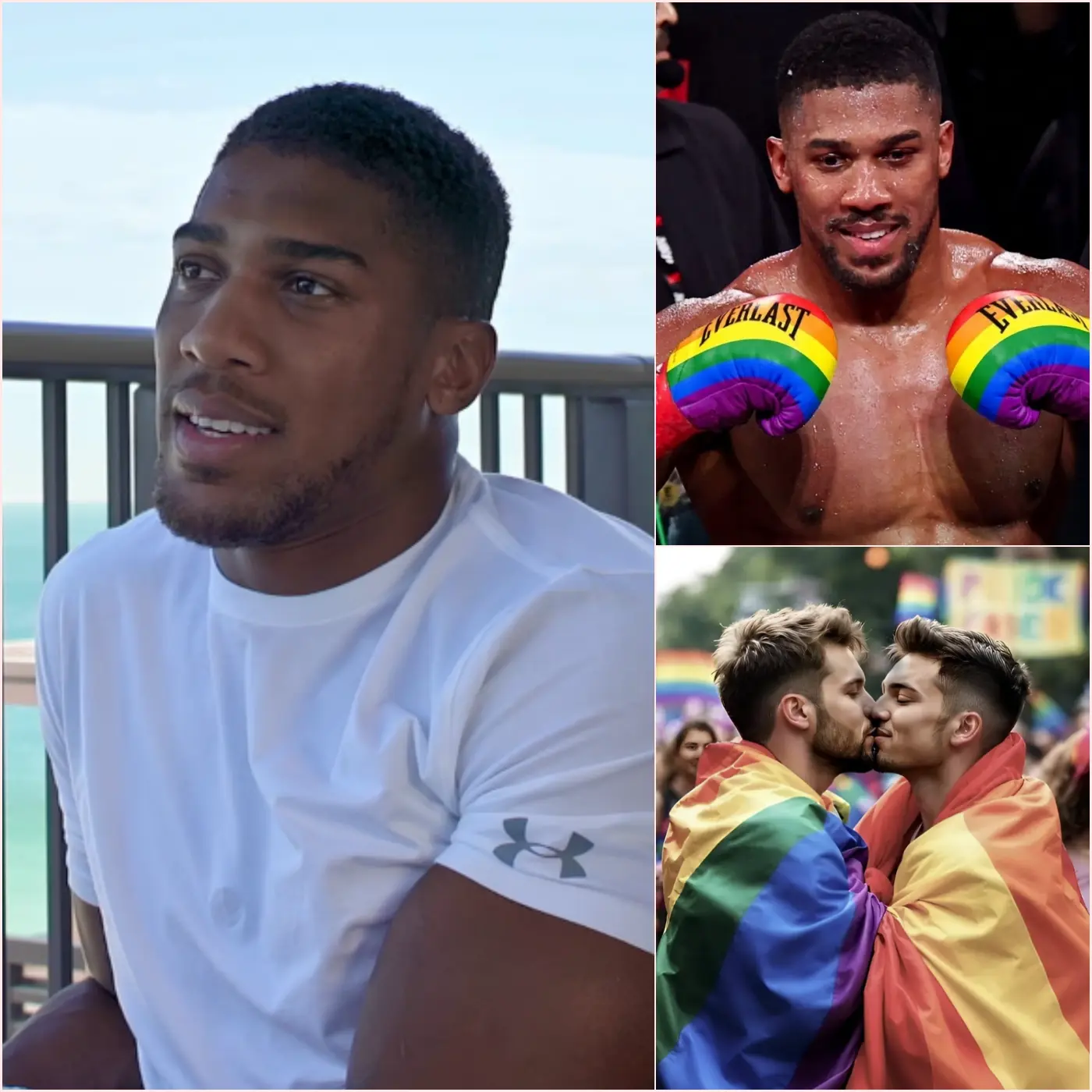
While many athletes support those initiatives, some have expressed discomfort when participation appears mandatory. Experts note that balancing institutional messaging with individual freedom remains one of the most complicated issues in modern professional sports.
Behind the scenes, organizers reportedly held urgent meetings with marketing partners to assess potential financial consequences. Losing a major sponsor so close to a major event created immediate logistical and reputational challenges for the promotion.
Still, despite the controversy, the fight itself remained scheduled as planned. Ticket holders continued filling the arena, though conversations among spectators increasingly focused on the dramatic locker room confrontation rather than the upcoming bout.
Meanwhile supporters outside the venue carried banners expressing loyalty to the boxer. Some shouted encouragement, praising what they described as courage to stand by personal convictions regardless of financial consequences or public criticism.
At the same time, advocacy groups issued statements expressing concern that the incident might discourage efforts promoting inclusivity within professional sports communities. Several organizations emphasized the importance of respectful dialogue instead of confrontation.
Observers noted that the entire episode revealed how quickly a symbolic object could trigger complex debates about identity, freedom, and responsibility in the public sphere. The simple armband had suddenly become a global headline.
Some analysts speculated that financial consequences might extend beyond the initial sponsor withdrawal. Endorsement contracts often contain clauses tied to brand image, meaning further partnerships could be reviewed following widespread media attention.
Despite those potential risks, Joshua appeared outwardly unfazed. Footage captured him warming up confidently before the fight, shadowboxing calmly as if the surrounding controversy had little influence on his focus or determination.
For many fans, the moment raised difficult questions about the role of athletes in social discussions. Should sports remain purely competitive arenas, or should influential figures use their platforms to support broader social messages?
The debate shows no sign of fading quickly. Commentators, sponsors, athletes, and fans continue analyzing every detail surrounding the incident, searching for deeper meaning behind Joshua’s explosive reaction and the unexpected consequences that followed.