
For many sports fans, Eliud Kipchoge represents calm strength, discipline, and extraordinary consistency. That is why recent remarks attributed to his wife, Grace Sugut, have drawn such close attention, prompting a wave of sympathy, reflection, and heartfelt support from admirers across the world.
According to the story now circulating widely online, Grace Sugut chose to speak publicly after a long period of silence. Her words were presented as deeply personal, suggesting that there were private struggles surrounding Kipchoge that he himself might never feel ready to describe openly.
The emotional weight of that message quickly resonated with fans. Kipchoge has built his reputation not only through historic performances, but also through dignity and composure. When someone so admired is said to be facing a difficult moment, people naturally respond with compassion and concern.
Much of the discussion centered on the claim that Kipchoge would not participate in the Tokyo 2025 Athletics Championships. For supporters, that possibility immediately shifted attention away from competition and toward his wellbeing, reminding many that even icons of sport remain human behind the public image.
Athletes at the highest level are often seen through the lens of performance. Their times, victories, and records dominate headlines, while their fatigue, uncertainty, and private burdens remain hidden. Moments like this encourage the public to look beyond results and recognize the person beneath achievement.
If the reported comments are understood in that spirit, then Grace Sugut’s message can be seen as an act of care. Speaking on behalf of a loved one is never simple, especially when that person is admired globally and expected to embody resilience at all times.
The idea that Kipchoge might struggle to express certain realities himself feels believable to many fans because elite athletes are often trained to stay composed. They learn to protect their focus, guard their emotions, and keep difficult matters private while maintaining calm in public appearances.
That reserve can inspire admiration, but it can also create distance. Supporters may assume that a champion who appears steady is untouched by doubt or pain. In truth, the strongest public figures are often simply the most practiced at carrying pressure without revealing its full weight.

The response from the sports world reflects how deeply Kipchoge is respected. Across generations and across continents, he has become more than a champion marathon runner. For many, he symbolizes patience, humility, and the quiet pursuit of excellence over many demanding years.
Because of that legacy, any suggestion that he is going through a difficult period invites an especially emotional reaction. People remember not only what he has achieved, but how he has carried himself while doing it. That memory makes support feel deeply personal.
Grace Sugut’s reported words also highlight the role families play in the lives of elite athletes. Public attention usually centers on the individual competitor, yet behind every major career stands a support system shaped by patience, sacrifice, and understanding during years of intense preparation.
For spouses and relatives, the emotional demands of sport can be enormous. They witness the private aftermath of exhaustion, disappointment, travel, and expectation. They often understand the athlete’s condition more clearly than anyone else, precisely because they see what cameras and microphones never capture.
That is why fans often react strongly when a family member speaks. Such remarks feel closer to the truth than formal statements or polished interviews. They carry the texture of lived experience, and they remind the public that sporting careers unfold inside ordinary human relationships.
In this case, the story gained momentum because it suggested both vulnerability and restraint. Grace Sugut was portrayed as saying something necessary, while also implying that Kipchoge himself might choose silence. That contrast between public legend and private emotion touched many readers deeply.
At the center of the discussion is not simply whether he races or withdraws. It is the broader question of how much emotional weight a person can carry while remaining an international symbol of discipline. Fans are increasingly aware that success does not remove personal hardship.
The possibility of missing a major championship naturally adds disappointment. Supporters always hope to see great athletes compete on the biggest stages. Yet when concerns about health, recovery, or personal balance emerge, many fans quickly realize that participation matters less than long-term wellbeing.
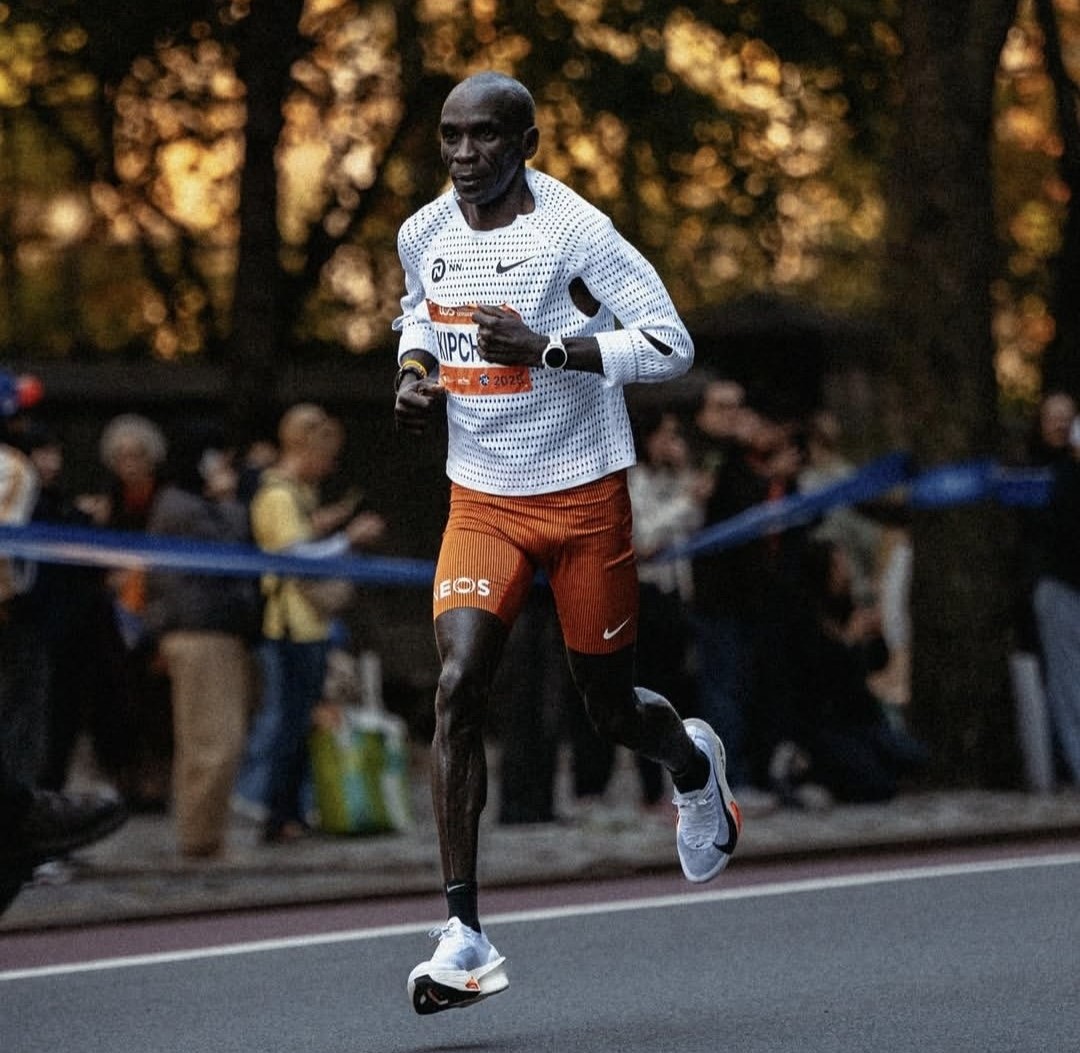
That shift in perspective is one of the most encouraging aspects of modern sports culture. In earlier eras, athletes were often praised only for endurance and sacrifice. Today, audiences are becoming more willing to value rest, honesty, and responsible decision-making alongside competitive ambition.
Kipchoge’s career has already given the athletics world countless moments of inspiration. He has little left to prove in terms of legacy. That is why many observers feel that any decision he makes now should be understood through compassion rather than expectation or pressure.
If he is indeed stepping away from a major event, supporters appear ready to accept it with grace. Their reaction suggests that admiration has matured into something deeper than fandom. It has become a form of respect that places the person before the performance.
There is also something powerful about the image of a spouse speaking with tenderness during a difficult period. It reminds people that greatness is sustained not by fame alone, but by trust, loyalty, and the courage of those who stand close during quieter, more uncertain times.
Public life can make vulnerability difficult. The more admired a person becomes, the harder it may feel to admit exhaustion, disappointment, or emotional strain. For someone like Kipchoge, whose name is associated with extraordinary mental strength, such admissions may feel especially difficult to voice.
That may be why the reported words had such an impact. They suggested that behind the calm public figure there is still a man navigating limits, emotions, and difficult choices. Far from diminishing him, that possibility makes his story more relatable and more human.
The global support described in reactions online also shows how sport can create genuine emotional community. Fans from different countries, backgrounds, and traditions may know little about one another, yet they can unite instantly around concern for an athlete they have long admired.
This kind of response says something meaningful about Kipchoge’s standing in world sport. He is not admired merely for victories, but for the manner in which he has pursued them. People trust his character, so they respond to his hardship with unusual warmth and sincerity.
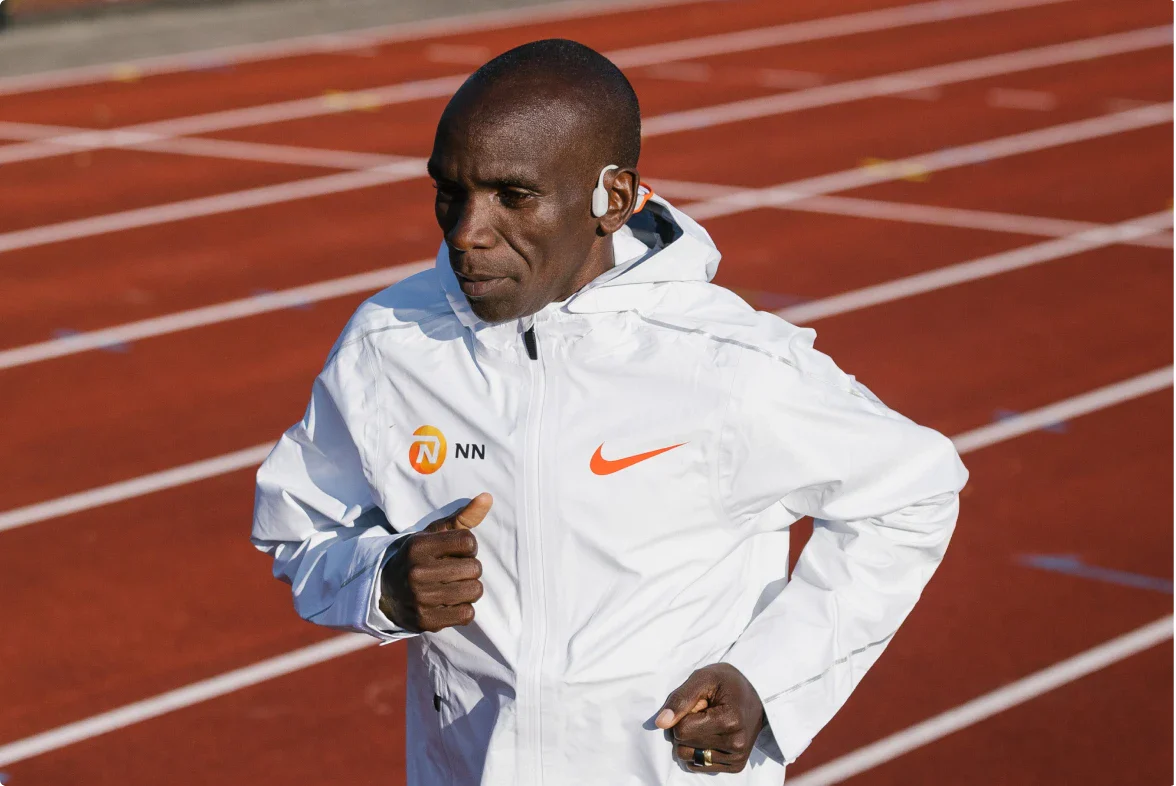
At times like this, language matters. Rather than framing absence as failure or decline, many supporters are choosing a gentler vocabulary centered on recovery, peace, and care. That change in tone reflects a growing understanding that athletes deserve room to step back when needed.
Whether the situation involves physical fatigue, emotional burden, personal reflection, or a combination of many factors, the most responsible response is patience. Public curiosity is natural, but it should never outweigh compassion. Some truths do not need to be fully exposed to be respected.
Grace Sugut’s reported statement, as it has been shared, therefore functions as more than news. It becomes a reminder that silence often hides complexity, and that even the most composed individuals may be carrying realities invisible to the public eye for a very long time.
For fans, the story may be disappointing on one level because it points to an absence from a major championship. Yet it also offers something more important: a chance to honor Kipchoge not only as a runner, but as a person deserving understanding and kindness.
In the end, the deepest loyalty supporters can show is not demanding one more appearance, one more statement, or one more act of strength. It is allowing space, extending grace, and trusting that true greatness includes knowing when to protect one’s inner balance.
That is why this moment has touched so many people. It speaks to love, privacy, and the quiet cost of public excellence. And it reminds the sporting world that compassion may be one of the most meaningful forms of respect any champion can receive.